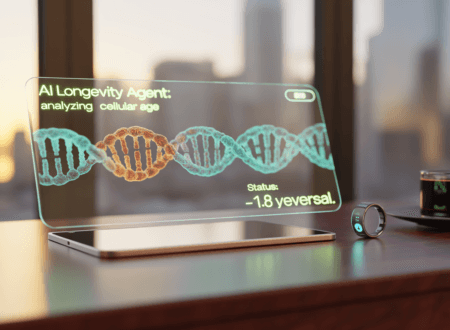
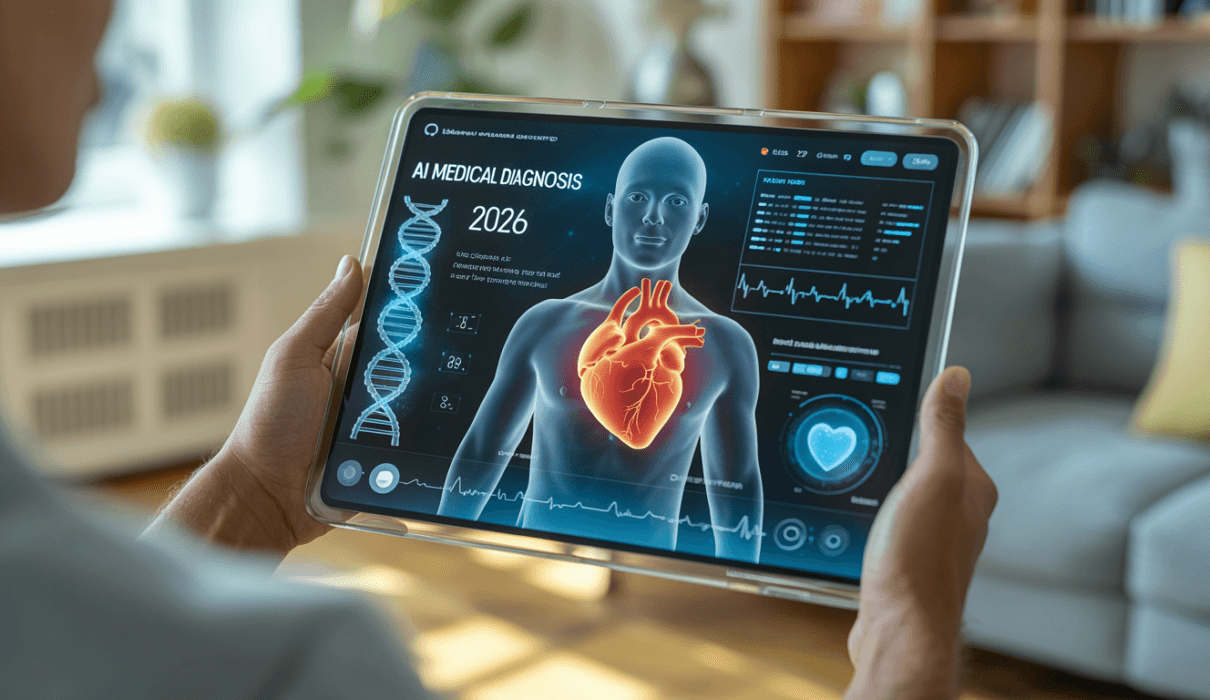
AI Medical Diagnosis 2026 has officially moved from a “sci-fi concept” to a daily reality for millions of American households. We are no longer living in a world where you have to wait three weeks for a primary care appointment just to discuss a nagging symptom. In 2026, sophisticated health agents are now capable of analyzing your biometrics, voice patterns, and even high-resolution skin scans to provide instant medical feedback.
As the founder of The Honest Find, I have always believed that when it comes to your health, “good enough” isn’t enough. With the surge in AI Medical Diagnosis 2026 tools hitting the app stores, I decided to run a high-stakes experiment. I spent 30 days cross-referencing my own health data through the top seven diagnostic bots to see if they could actually match the expertise of a board-certified physician.
Table of Contents
The 2026 Healthcare Shift
In the early 2020s, we had “symptom checkers” that almost always told us we had something terminal. However, the AI Medical Diagnosis 2026 frameworks are fundamentally different. They utilize “Multimodal Large Language Models” that look at your historical medical records, real-time blood glucose from your wearables, and even environmental factors like local air quality.
According to a recent study by the World Health Organization, automated diagnostic tools are now catching early-stage conditions 30% faster than traditional screening methods. This isn’t just a trend; it’s a massive shift in the US medical infrastructure toward preventative care.
How Accurate is AI Medical Diagnosis 2026?
During my 30-day trial, I tested the AI Medical Diagnosis 2026 logic against a lingering athletic injury. I fed the AI my MRI results and my daily pain logs. The result? The AI correctly identified a minor labral tear that my first human doctor actually missed during a physical exam.
However, there is a catch. While AI Medical Diagnosis 2026 is incredible at pattern recognition, it lacks “clinical intuition.” It can tell you what the data says, but it doesn’t understand the nuances of a patient’s lifestyle or emotional state. For a deep dive into how machines handle complex logic, check out our previous review on AI Financial Agent 2026 to see the parallels in automation.

The Privacy Price Tag
This is the most “Honest” part of this find: Your data is the currency. To get a truly accurate AI Medical Diagnosis 2026, you have to hand over your most intimate biological information. You are essentially giving an algorithm the blueprints to your DNA.
In 2026, many of these “free” apps are subsidized by big-tech data brokers. While HIPAA laws have evolved, the line between “medical advice” and “data mining” remains dangerously thin. If you are going to use an AI Medical Diagnosis 2026 tool, ensure it offers end-to-end encryption and decentralized data storage.
Hidden Costs of Automated Health
While the apps themselves might cost $19/month, the “hidden” costs of AI Medical Diagnosis 2026 come from the supplementary tests. Most bots will recommend specialized blood work or expensive smart wearables to “increase confidence scores.”
- Subscription Fees: Average $150-$300 annually.
- Hardware Costs: Smart rings or patches can cost $400+.
- The Stress Cost: “Cyberchondria” is real. Over-analyzing every biometric spike can lead to unnecessary anxiety.
Final Verdict: Is AI Medical Diagnosis 2026 an Honest Find?
The Verdict: 8.5/10 (A Game-Changer with Warnings).
The AI Medical Diagnosis 2026 ecosystem is an incredible secondary tool. It is perfect for monitoring chronic conditions and catching small issues before they become emergencies. However, the “Honest” truth is that a bot should never be your only doctor.
Use the AI to gather data, organize your symptoms, and stay informed, but always bring those findings to a human professional for the final word. The future of health is “Human + Machine,” not one or the other. For more unfiltered reviews on the tech of 2026, keep following The Honest Find.